The circular economy and sustainable waste management in the furniture sector
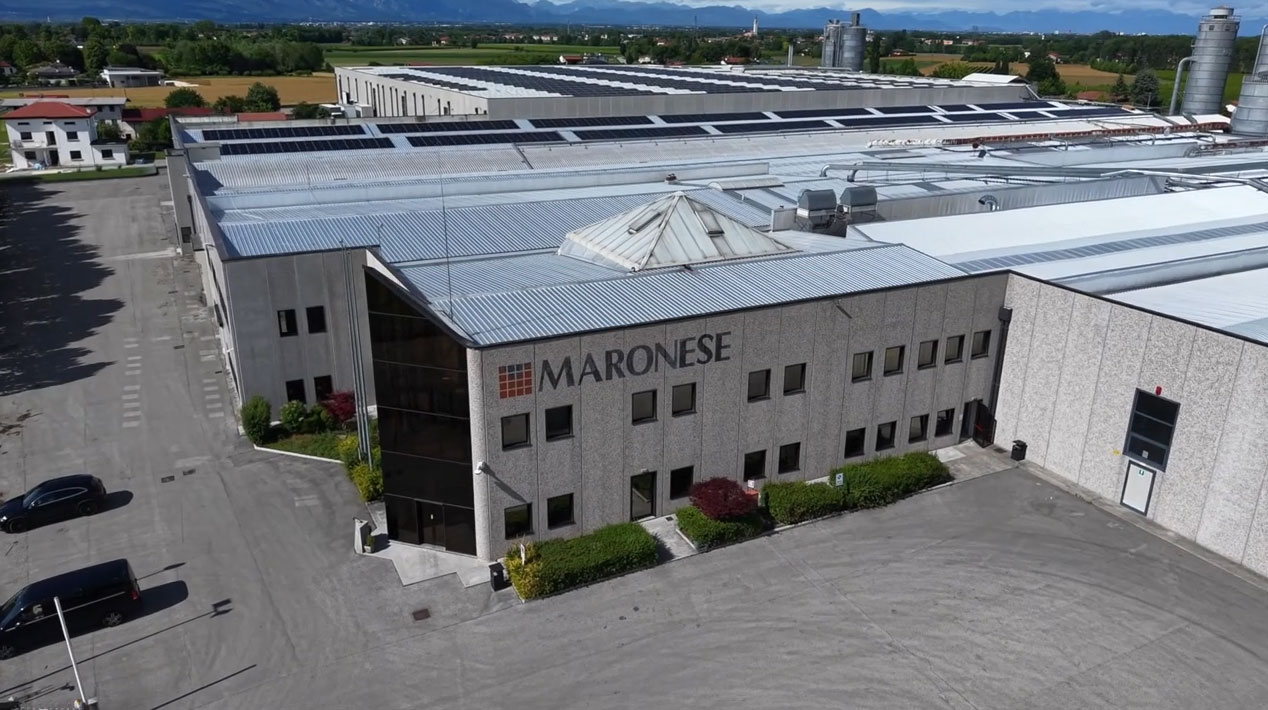
In the Livenza furniture district – a major industrial hub for the wood and furniture sector straddling the Veneto and Friuli Venezia Giulia regions along the homonymous river – the management of industrial waste is playing an increasingly central role in the manufacturing processes. It is within this context that the collaboration between Maronese International and Recycla takes place.
Launched in 2010, the partnership has supported the organisational and production evolution of the Brugnera (PN) plant over time, helping to transform environmental management from mere regulatory compliance into an integral part of the industrial strategy. This journey is now cited as a case study for the Italian furniture sector, at a time when sustainability, traceability and process control are increasingly important factors for business competitiveness.
The Recycla model and the intrinsic value of paint residues
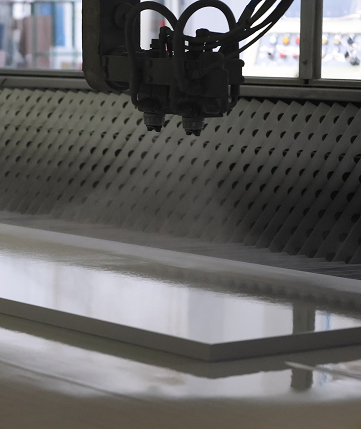
Among the most sensitive processes in the furniture sector, painting represents one of the main critical issues from an environmental and operational perspective. It is precisely on this stage that Recycla's intervention focuses through ECOL360°, a model that integrates waste management directly into the production cycle. Filters, sludge, paint residues, dust, contaminated packaging and absorbent materials are managed according to standardised procedures, with the aim of ensuring operational order, staff safety and the traceability of waste streams.
Alongside the operational aspect, the collaboration with Recycla also includes regulatory consultancy, particularly in the area of ADR (Accord européen relatif au transport international des marchandises Dangereuses par Route), and support via a digital portal that enables waste monitoring, now integrated with the functionalities required by RENTRI (Registro Elettronico Nazionale di Tracciabilità dei Rifiuti – the Italian National Electronic Register for Waste Traceability). The digitalisation of waste streams and document management allow for precise monitoring of storage times, waste types and environmental performance, without any negative impact on production efficiency.
A best-practice model for the sector
The partnership between the two organisations forms part of a broader transformation of the furniture industry, which is called upon to combine product quality, process efficiency and environmental responsibility.
After almost sixty years in business, the experience gained by Maronese demonstrates that the longevity of manufacturing companies also depends on their ability to review their internal processes, transforming production residues from an operational cost into a resource managed in an advanced manner. This serves as an organisational and strategic lever, capable of supporting industrial continuity and innovation.