Overview
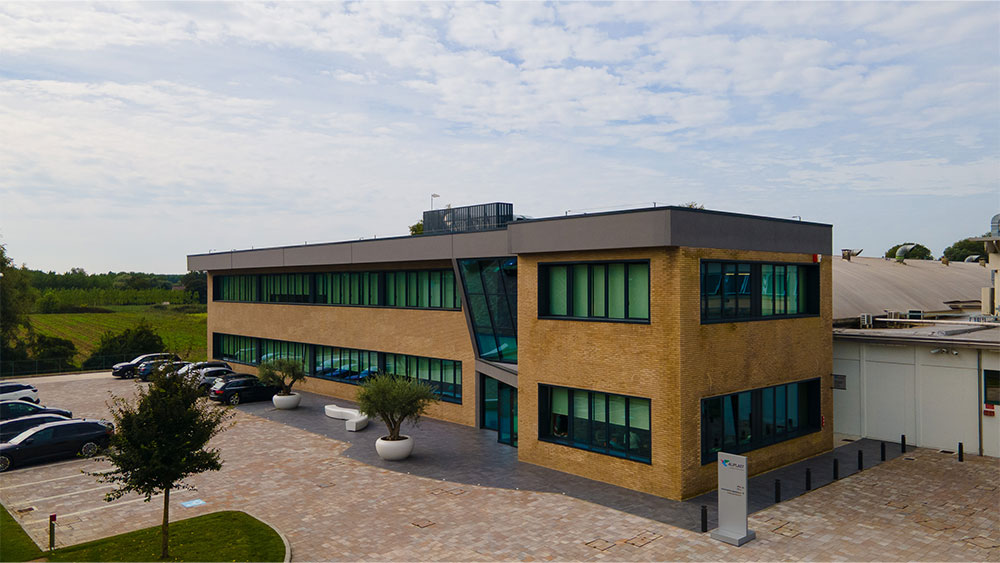
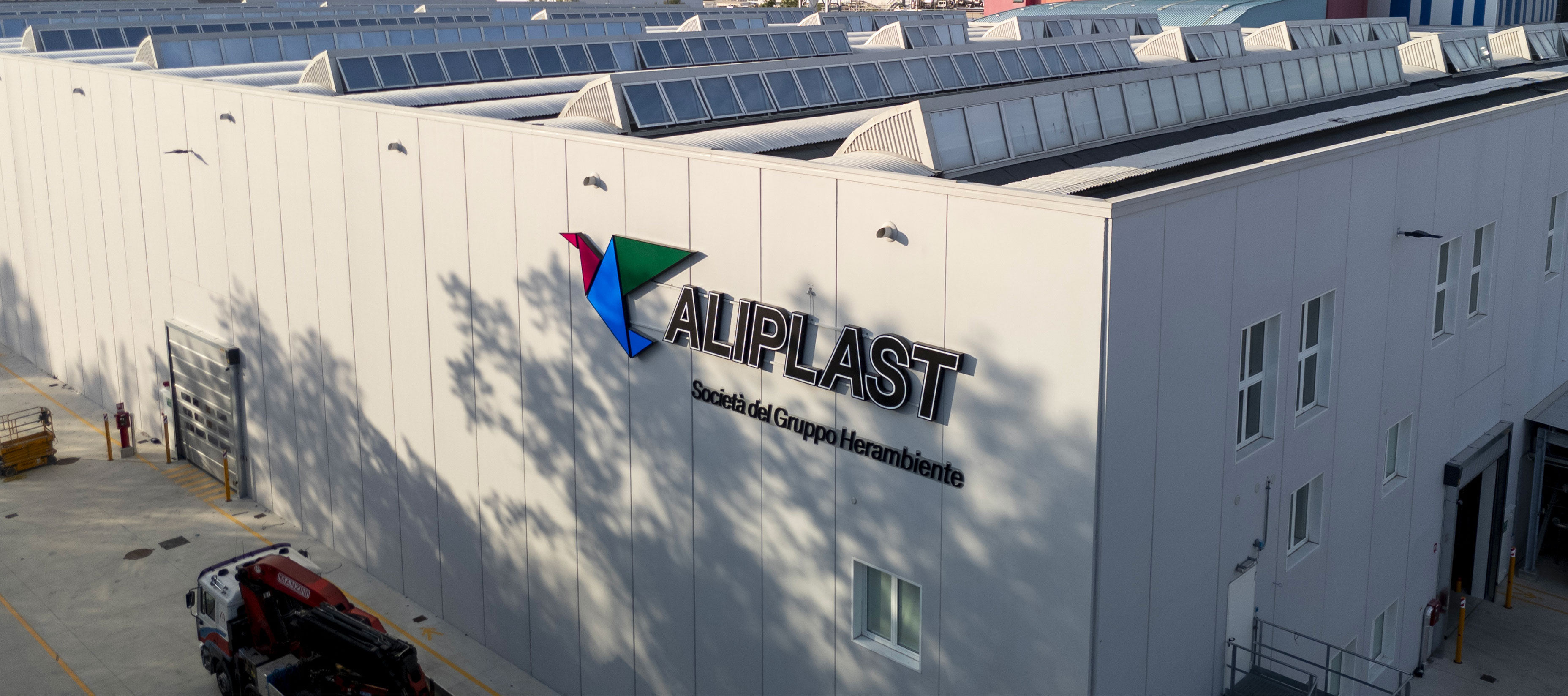
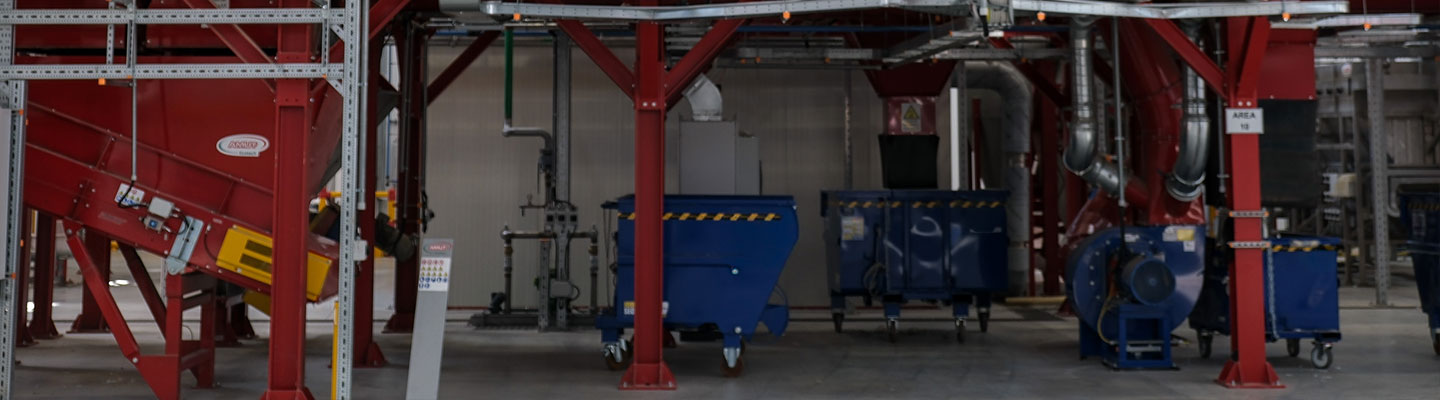
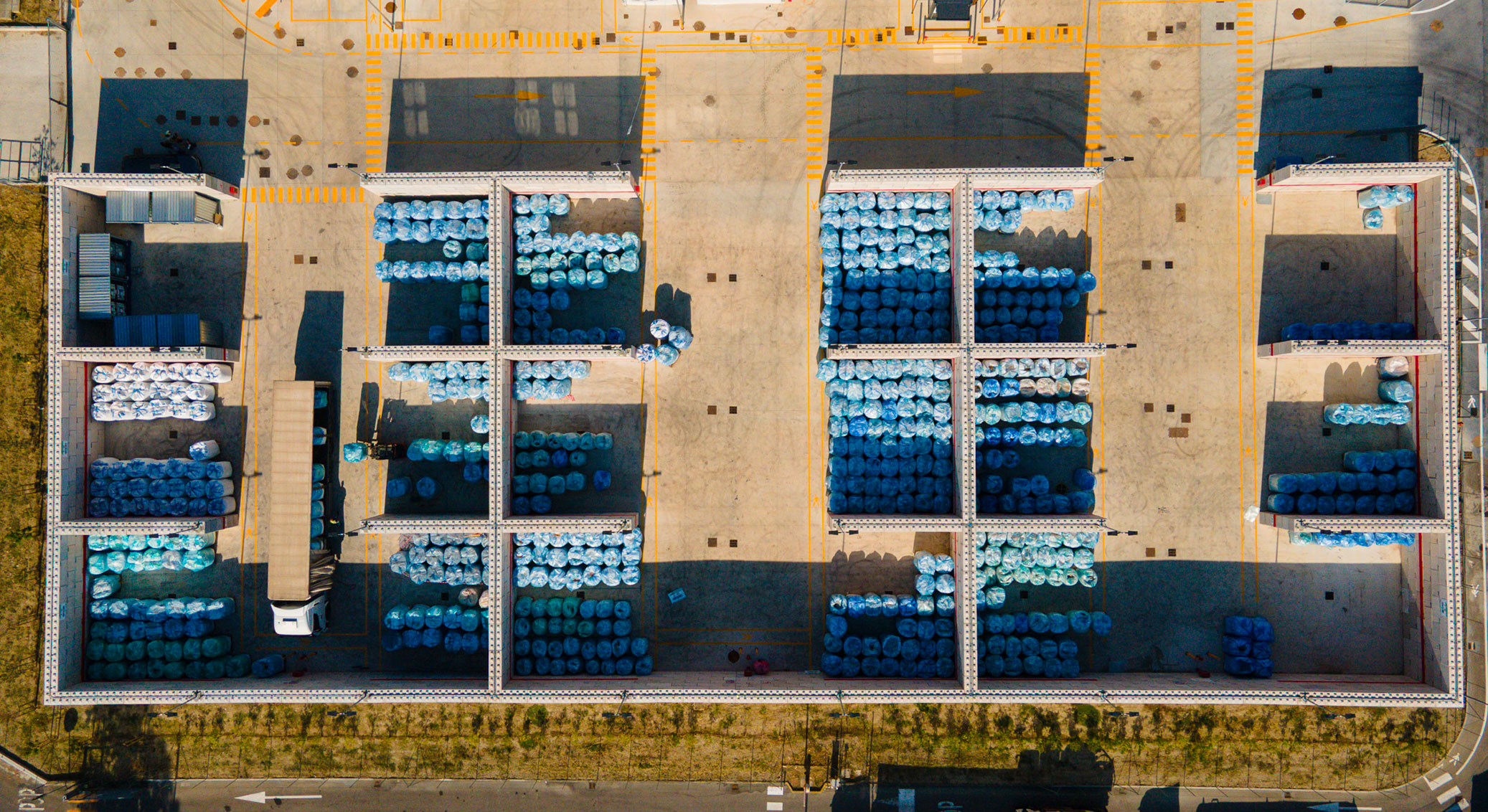
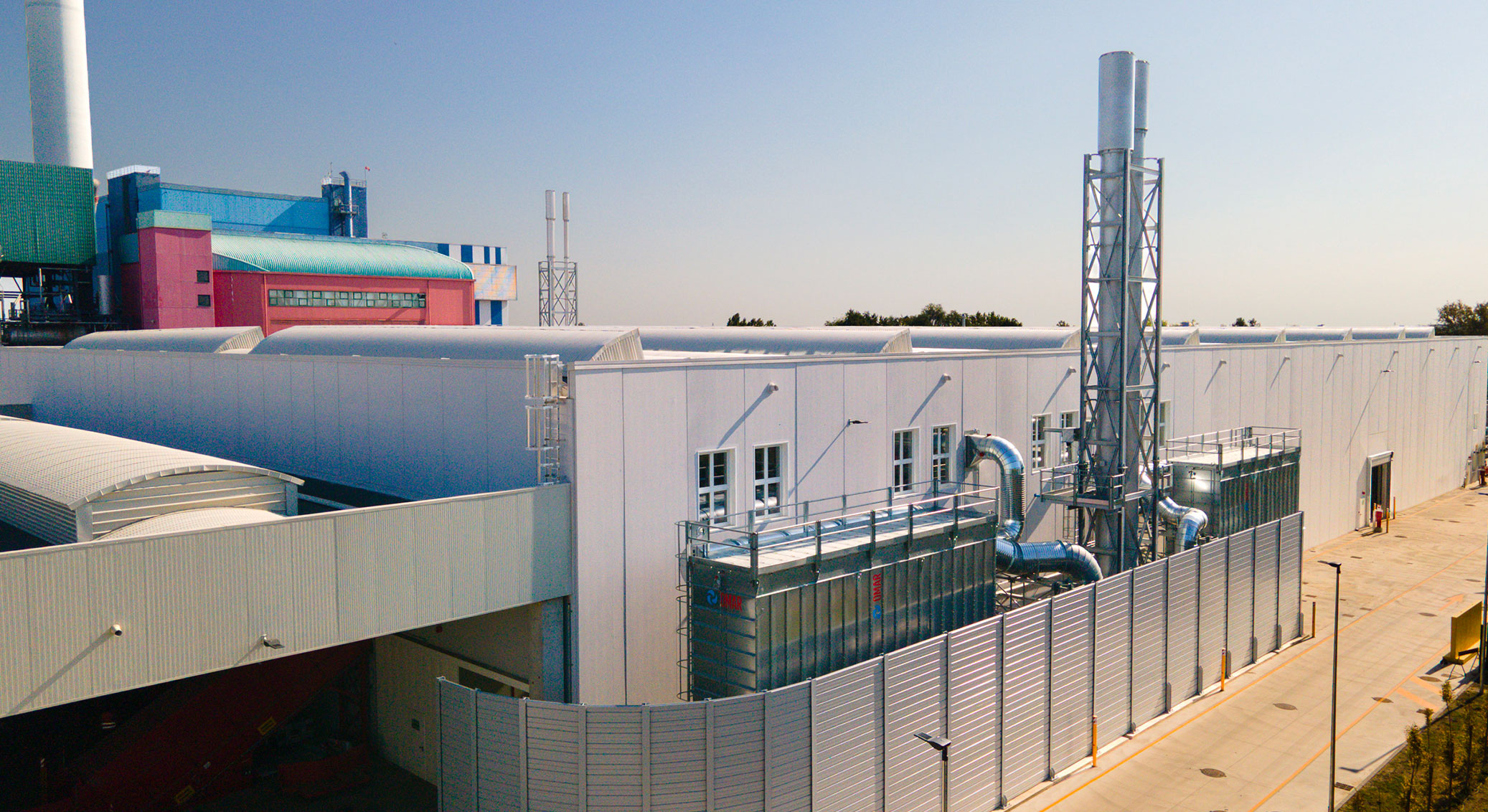
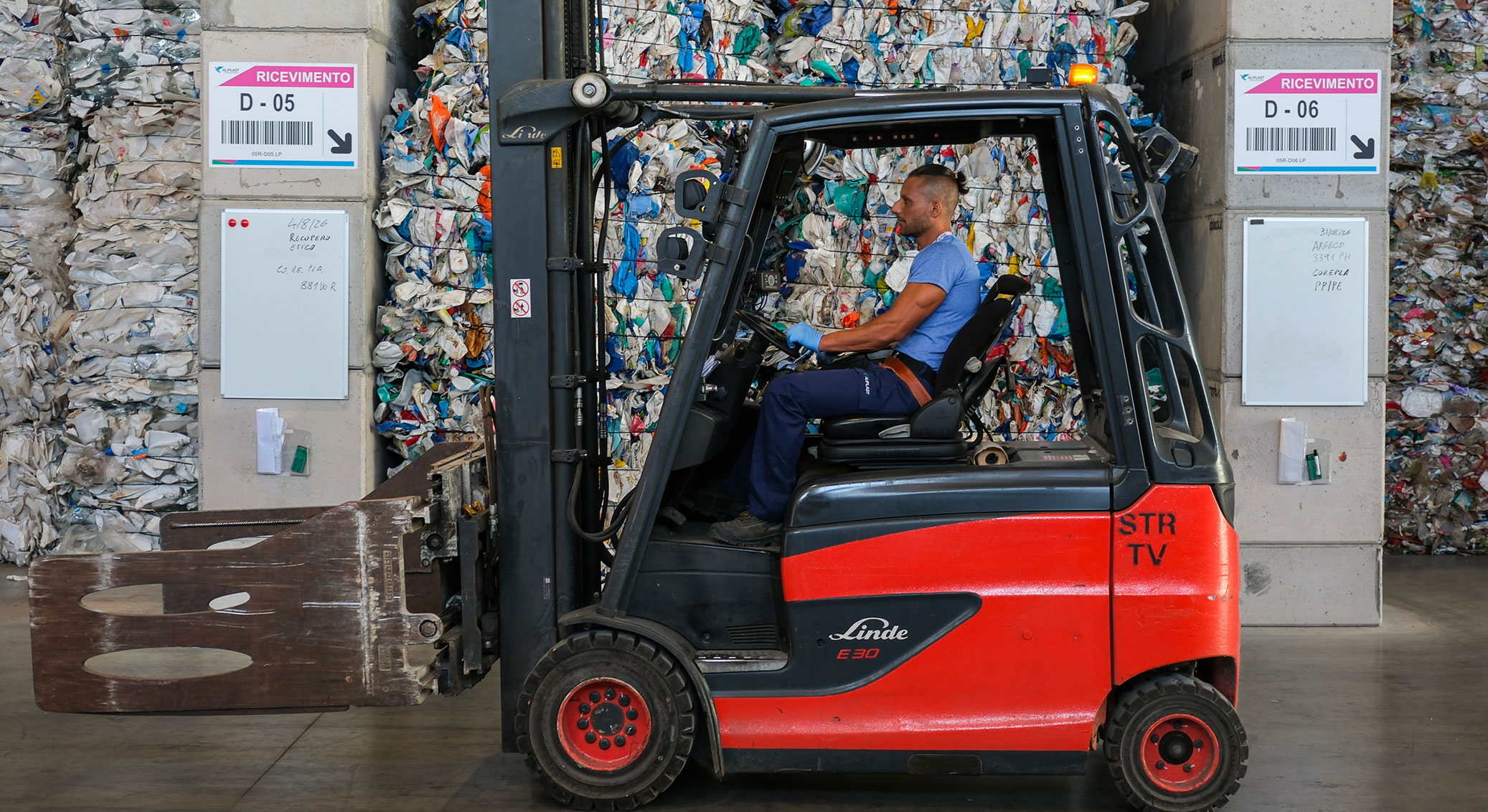
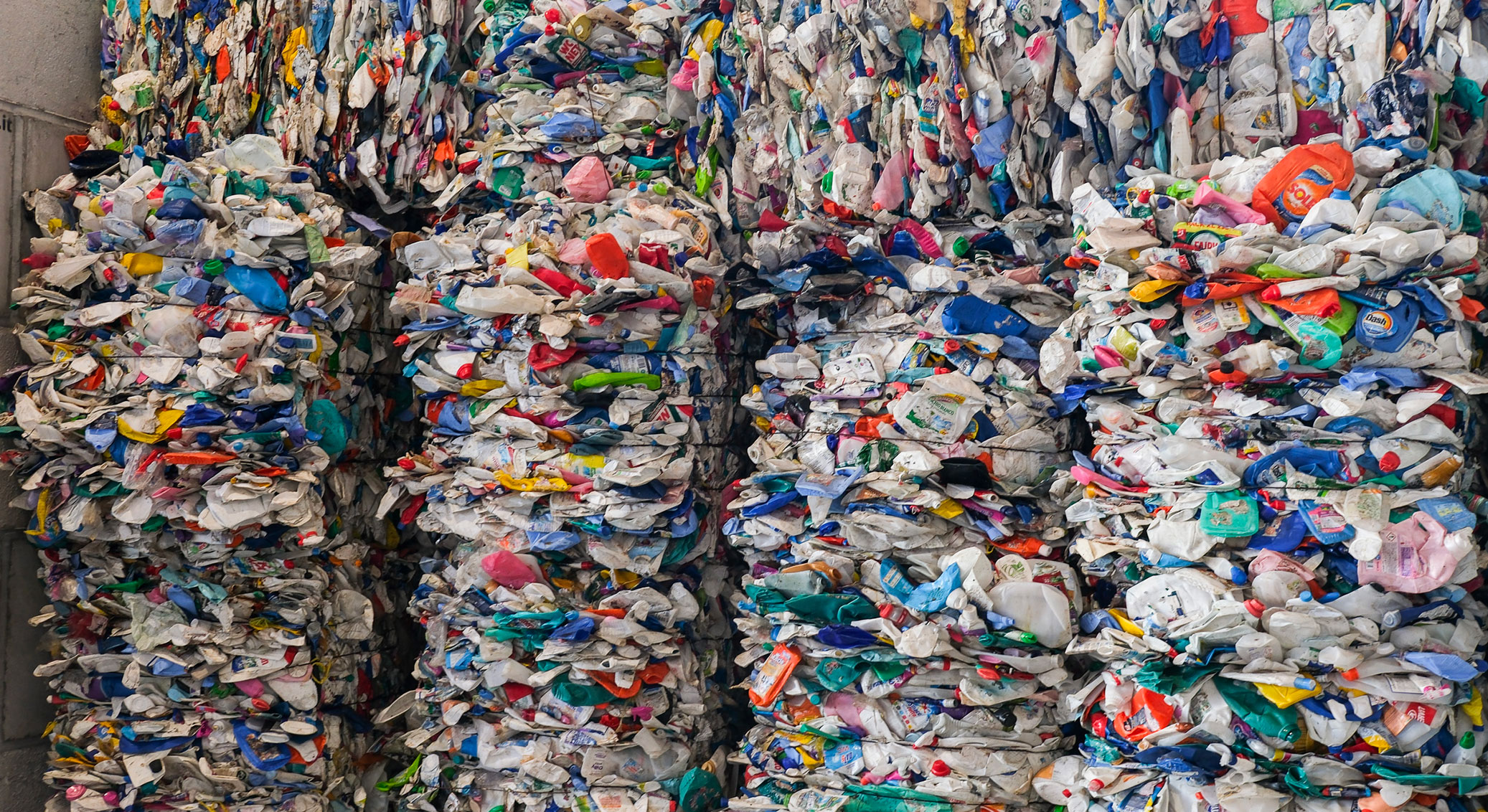
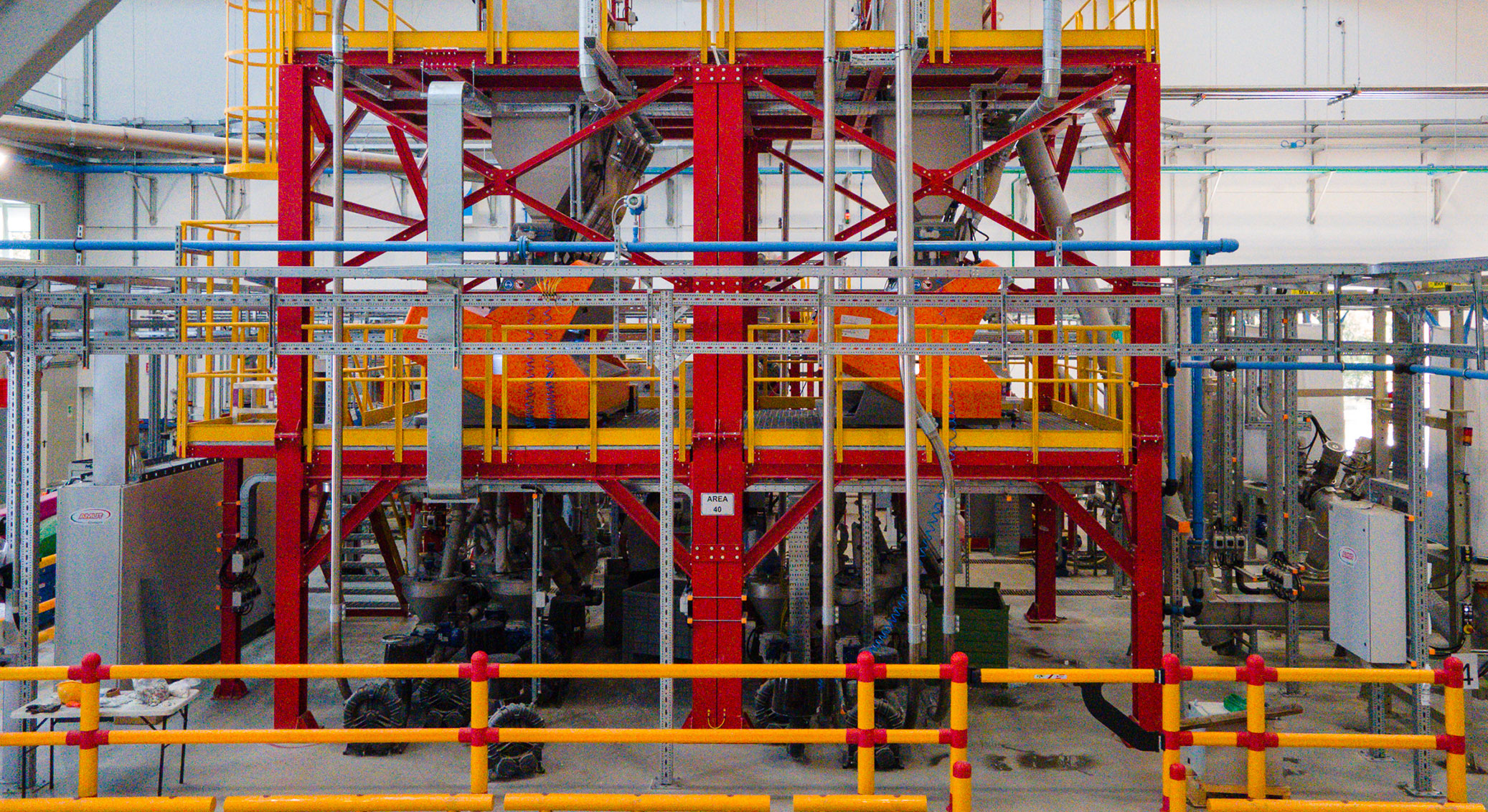
The Aliplast plant (Herambiente Group) in Modena is a state of the art facility for the mechanical recycling and upcycling of rigid plastic waste, designed to recover and transform post consumer and industrial materials. With a total fully operational capacity of 30,000 tonnes per year of both homogeneous and heterogeneous waste, the plant processes high density polyethylene (HDPE), polypropylene (PP), mixed polyolefins, and other polymers sourced from municipal separate collection and industrial loops. Powered by advanced MyReplast technology, the facility is divided into five main lines dedicated to polymer sorting, grinding, washing, flake sorting, and extrusion/compounding. The infrastructure aims to minimize disposal and maximize material recovery, producing high value "premium" regenerated granules that can be directly integrated into industrial supply chains. Located within Herambiente's multi purpose complex in Modena, the new plant leverages key energy and infrastructure synergies, providing the local area with a strategic supply chain for the circular management of rigid plastics.
Project Goal
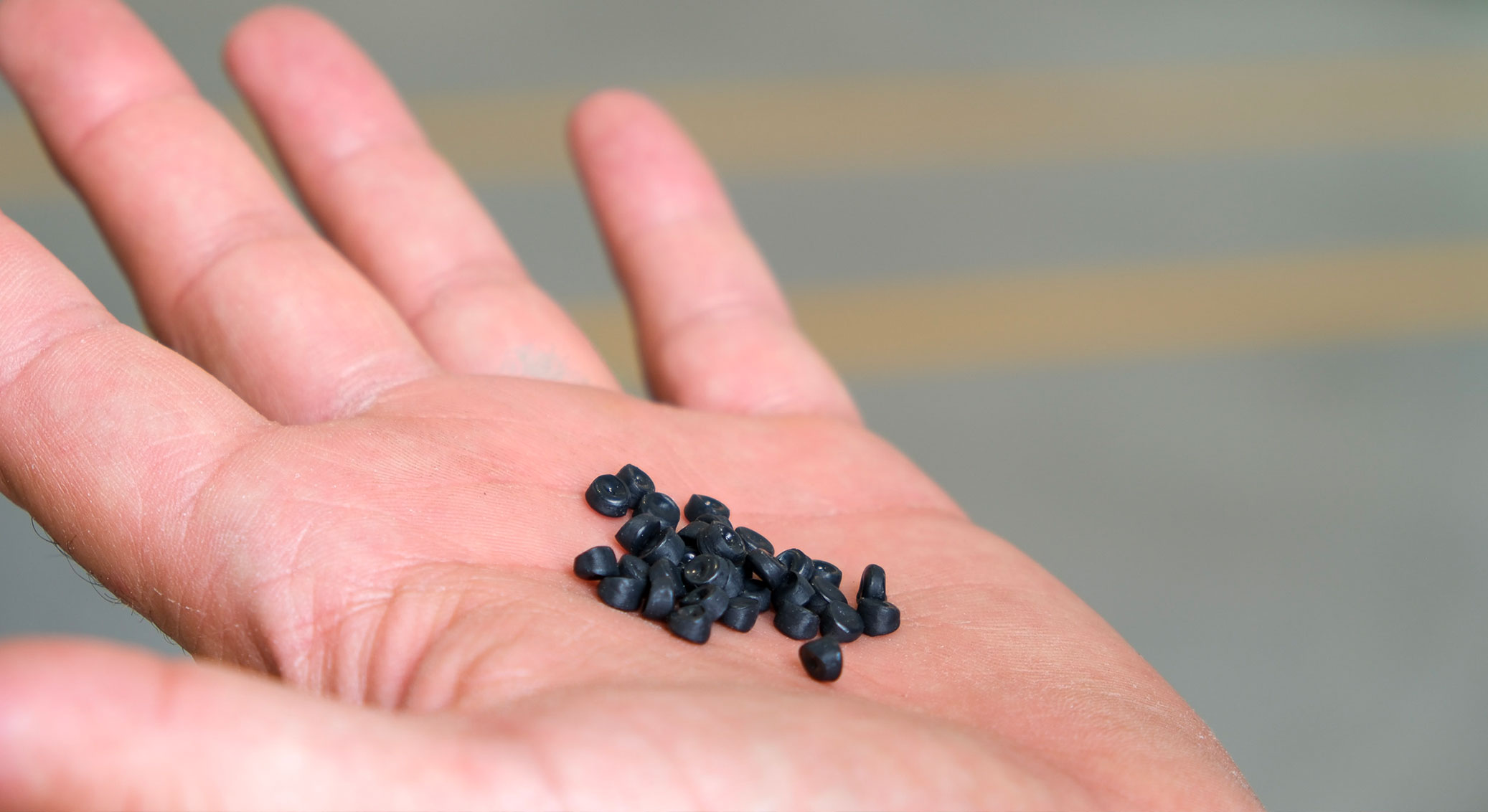
The new Aliplast plant in Modena — an investment of approximately 50 million euros, backed by 7.7 million euros in NRRP (PNRR) funding — represents a strategic infrastructure for the circular economy and manufacturing autonomy in Emilia Romagna and Europe. Anticipating EU obligations (PPWR), the facility, once fully operational, targets an annual capacity of 30,000 tonnes of high performance recycled polymers (HDPE, PP, PO), guaranteeing standards comparable to virgin raw materials for sectors such as automotive, packaging, furniture, and household appliances. Powered by a local supply chain approach focused on regional recovery, the project combines competitiveness and decarbonization, securing annual savings of 30,000 tonnes of CO₂* and fostering skilled employment.
*Project estimate currently being updated with a new LCA calculation
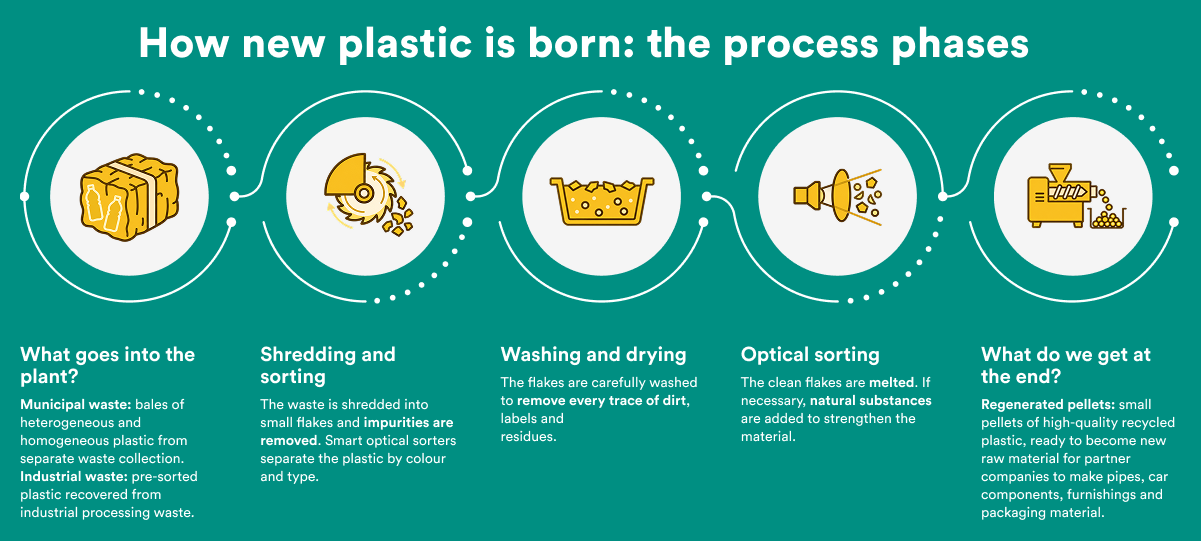
- Pre-treatment and contaminant removal: initial shredding of the material to approximately 100 mm, separation of the light fraction (film), and elimination of ferrous and non-ferrous metals.
- Optical sorting and grinding: optical sorting to separate colored polymers from black ones. The colored material is shredded to 20 mm, washed, dried, and sent to a further optical sorting stage to separate Polypropylene (PP) from Polyethylene (HDPE).
Dedicated to processing mixed waste (primarily from municipal separate collection and post-consumer industrial waste). Operating at a nominal capacity of 4 tonnes/h, this line carries out:
- Selected flakes of HDPE, PP, or other polymers are melted, blended, and extruded.
- Specific additives, mineral fillers (e.g., talc, gypsum), or reinforcing agents are dosed to formulate composite materials and "premium" regenerated pellets, featuring technical properties comparable to virgin plastic.
Final phase of the process consisting of two parallel operating lines (nominal capacity of 2.5 tonnes/h each) for a total capacity of 30 kta. In this section:
Datasheet
-
Treatment Capacity
30.000 t/year -
Operations
R3, R13 -
Authorized Waste Codes
020104 Waste plastics (except packaging))
070213 Waste plastic
120105 Plastic shavings and turnings
150102 Plastic packaging
150105 Composite packaging
150106 Mixed packaging
160119 Plastic
160216 Components removed from discarded equipment other than those mentioned in 160215
160306 Organic wastes other than those mentioned in 160305
170203 Plastic
191204 Plastic and rubber
200139 Plastics
Decarbonisation, energy savings, and closing the loop
At full capacity, the new plant will be able to produce up to 30,000 tonnes per year of high quality recycled polymers from rigid plastic waste, saving approximately 30,000 tonnes* of equivalent CO₂ emissions. Furthermore, the new facility integrates into an already established Hera Group plant hub, leveraging the potential of various business lines. It is powered by electricity generated by the nearby waste to energy plant, while the production process uses water discharged from the wastewater treatment plant and returns it to the same, thus closing a virtuous circle. Finally, the rigid plastics recycling plant guarantees high standards of safety and innovation through process automation and advanced digitalization, which also maximizes energy efficiency.
*Project estimate currently being updated with a new LCA calculation
Documents of the facility: